

01 / 04 · Drivetrain
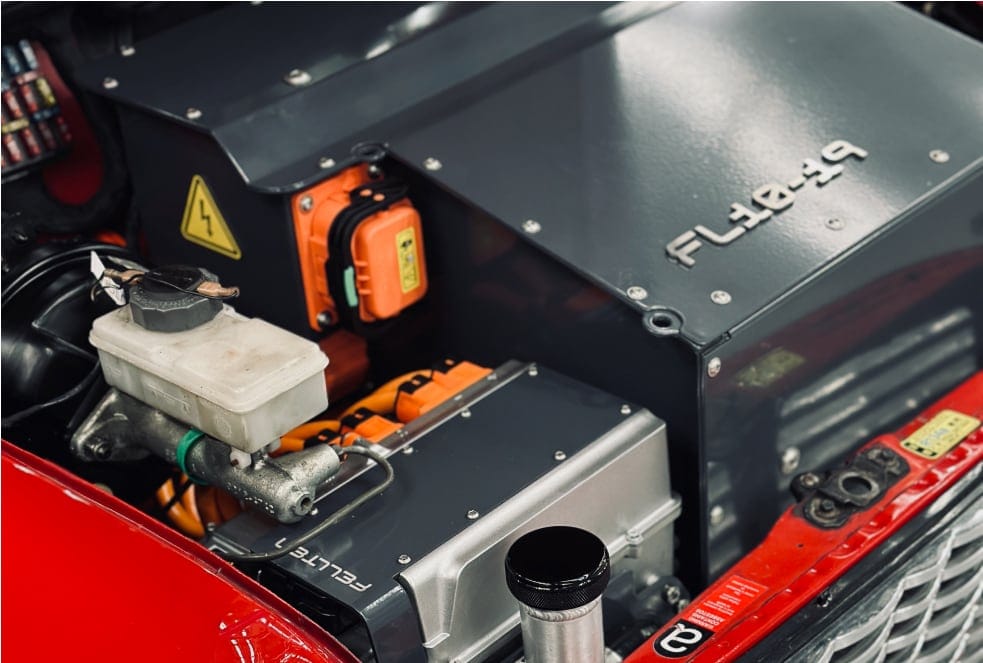
The motor sits where the A-series sat.
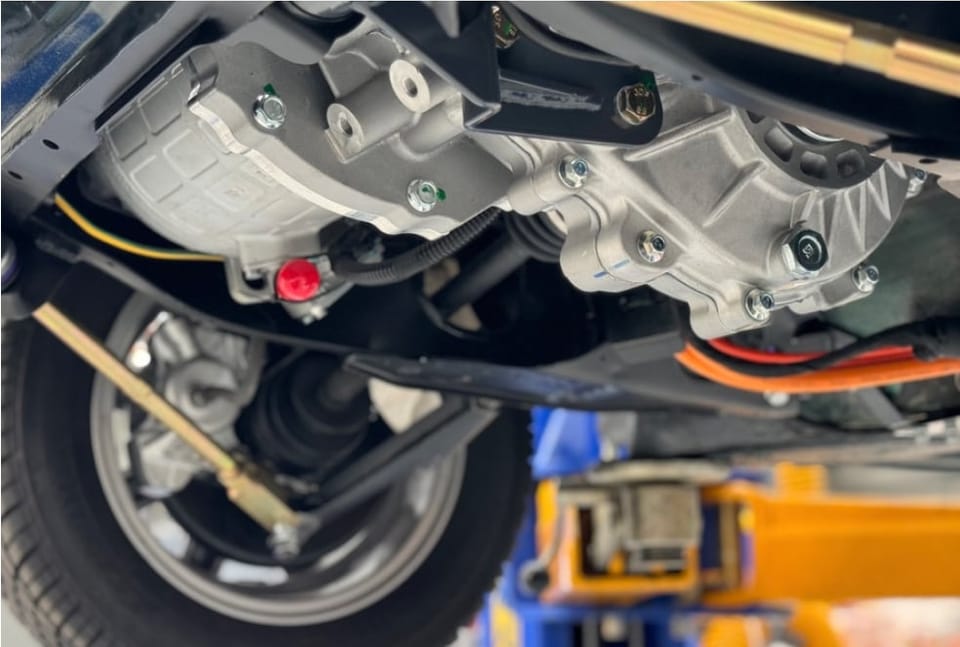
A transverse AC motor on the front subframe, driving the front wheels through a single reduction. Same layout, same weight over the nose, none of the noise.
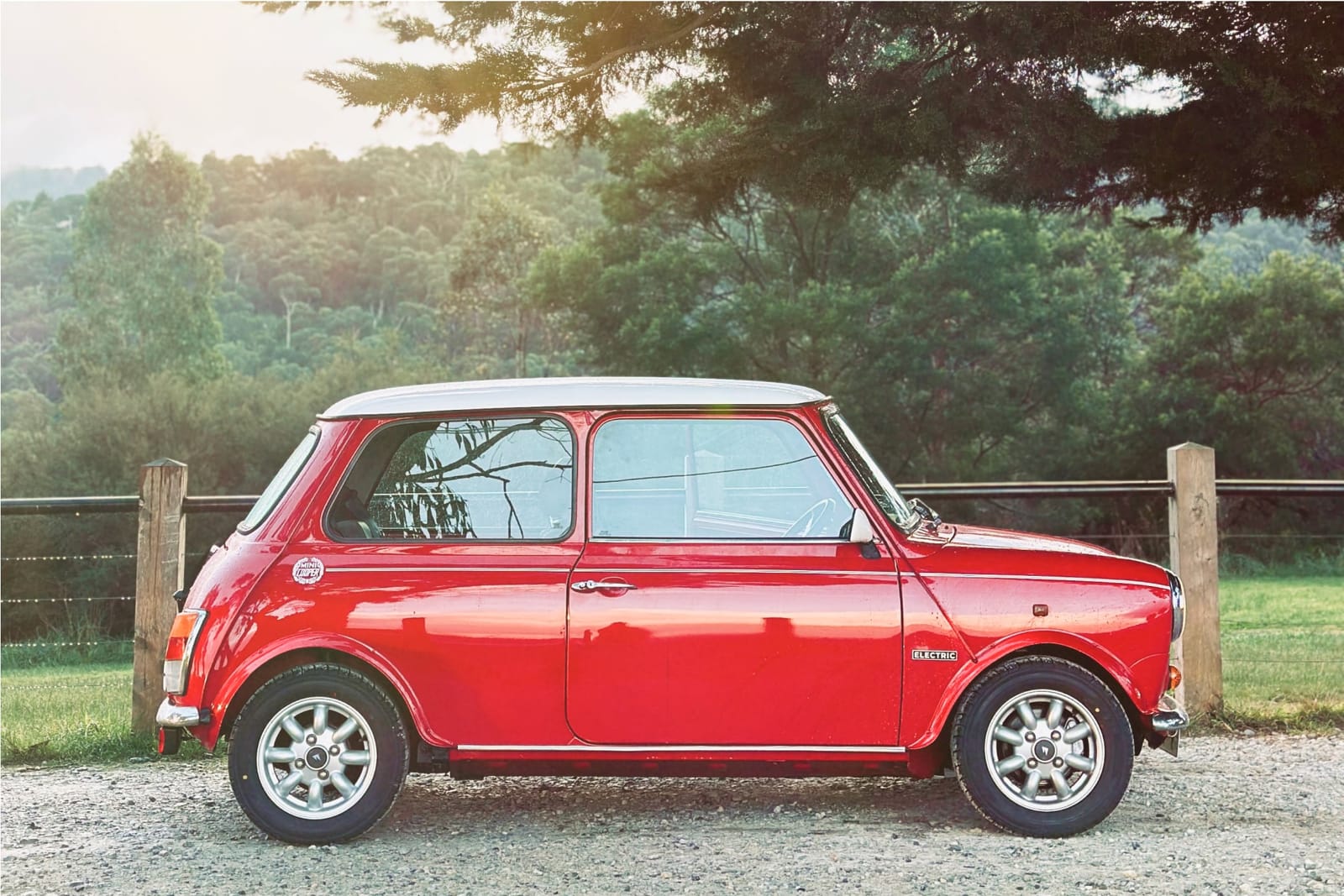
A Classic Mini weighs about six hundred kilos, and that number is the whole car. It is why a Mini corners the way nothing else its size can. Bolt a battery into one and you usually lose the exact thing that made it worth keeping.
So the brief from MINI Australia was simple and unforgiving. Electrify a Mini for their press fleet, park it next to the new electric MINI, and don't hand back something heavier, slower or less of a Mini than the petrol car it started as. We split the battery front and rear to hold the original balance, and put the motor where the A-series engine used to sit.
It came out about twenty kilos lighter than the petrol car, and quicker to a hundred than any Mini has a right to be. Everything you can see is original. Everything underneath is new.
The mechanical magic of a Mini was always the steering and the balance, not the engine. Keep the first two, replace the third with instant torque, and the car you remember gets sharper instead of slower.
"I could do that all day. It is absolutely unbelievable."
David McAdam · 49 years a Mini owner · first drive
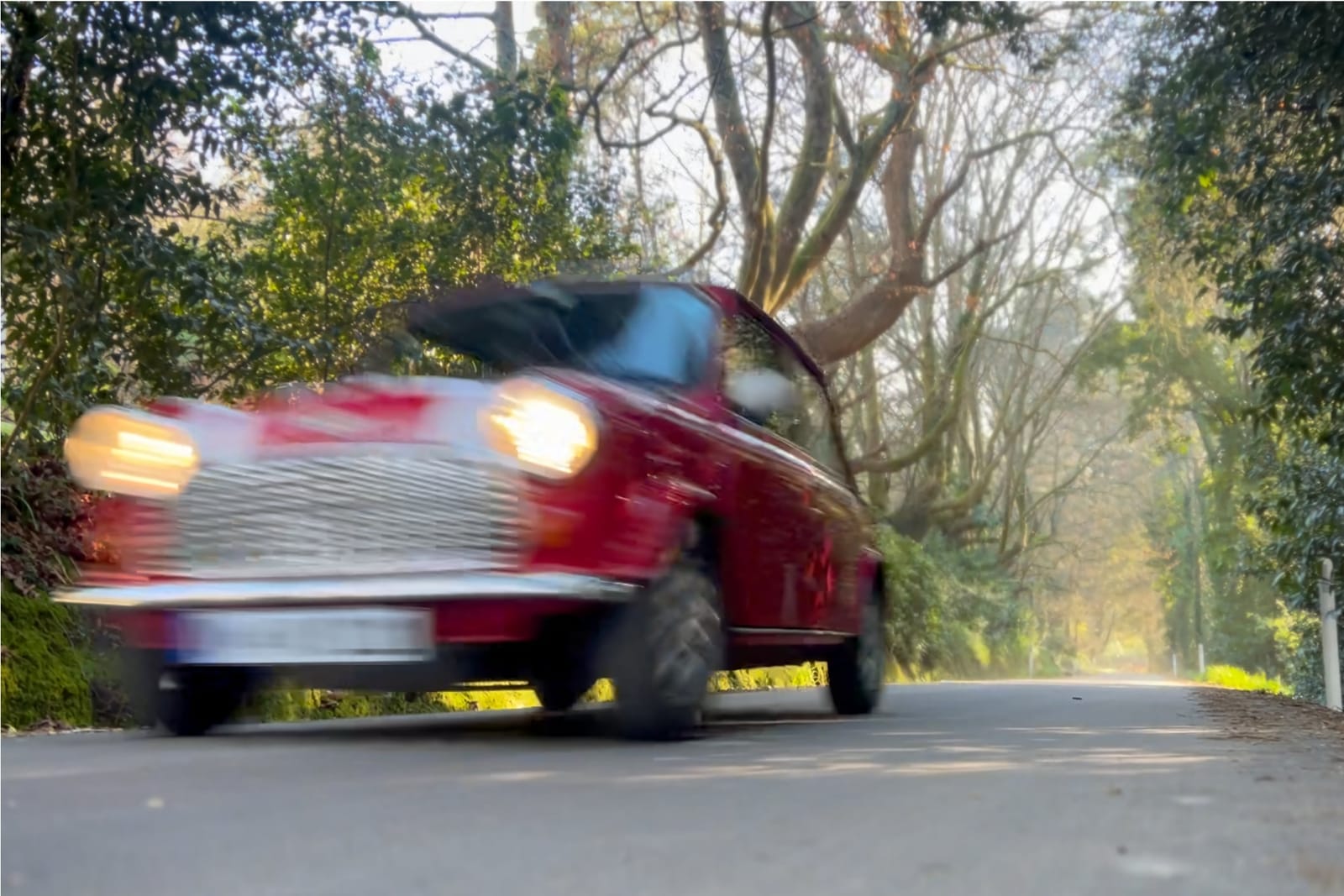
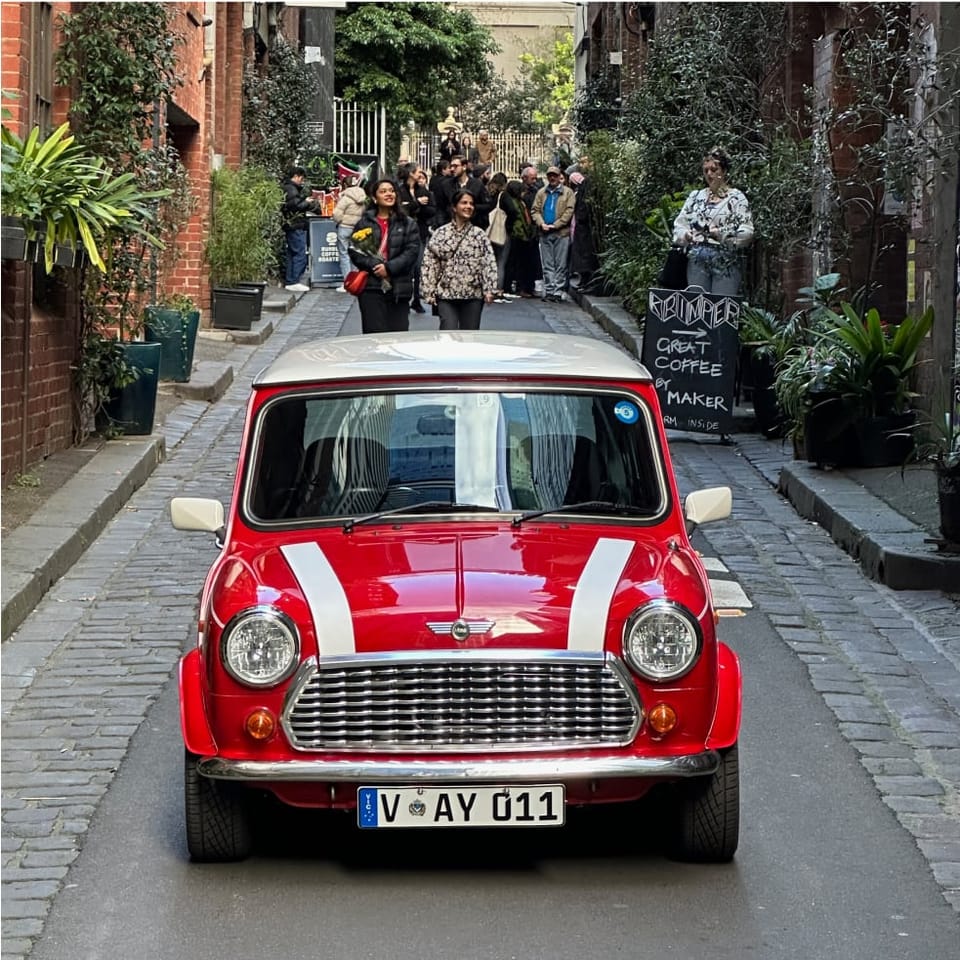
Narrow enough for a tram-lined city street, quick enough to make use of every gap. There may never have been a better car for darting around a city. Now it has the performance to match the handling.
"The input of power was amazing. It was beyond what I thought it would be. Far beyond."
David McAdam · 40 years of club motorsport
Six hundred kilos. Now twenty lighter, and a lot quicker.
Four things change underneath, and nothing changes on top. The body, the cabin, the stance and the badges are the Mini you know. The drivetrain, the battery, the brakes and the dash are entirely new.
Not an engine swap. A complete electric drivetrain, engineered to bolt onto the same mounting points the petrol car used. Every bracket picks up an existing hole. If anyone ever wants the A-series back, it goes back.
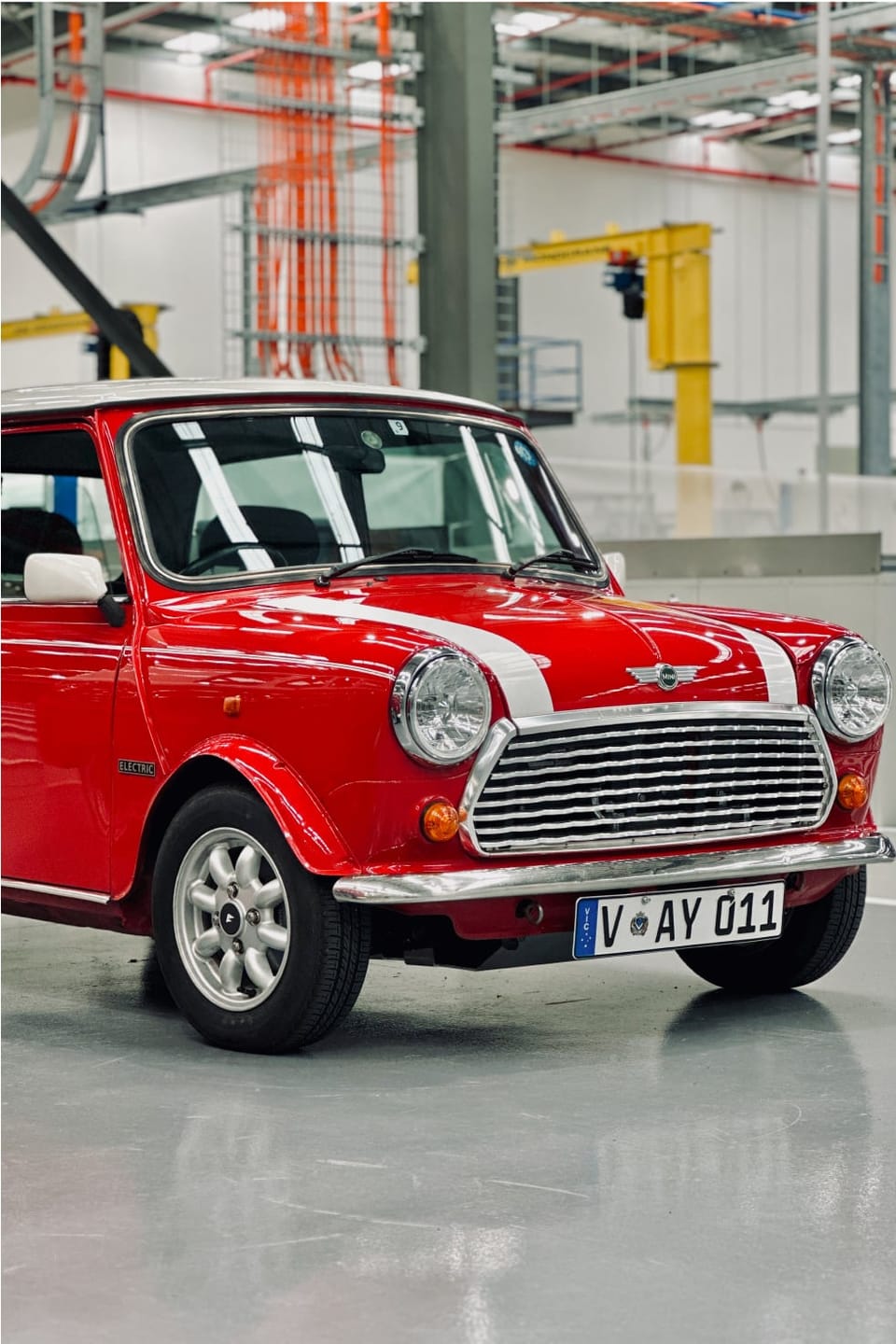
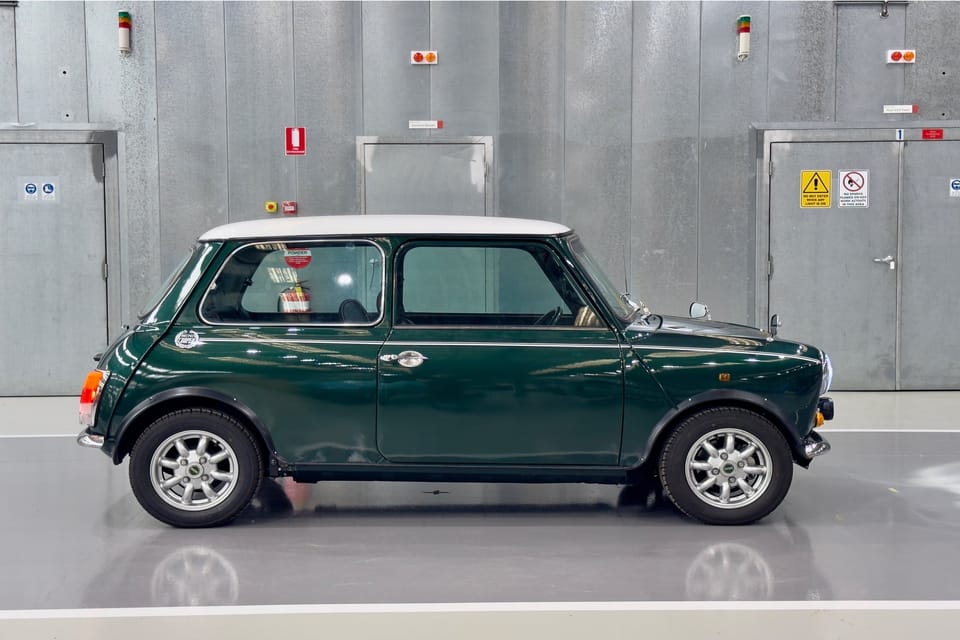
A 1996 Rover Mini, originally sold in Japan and imported here, with the 1.3-litre four and an automatic box. It is the kind of car worth converting, one that has already earned its keep. We drive every donor before we start, then keep the body, the glass and the stance exactly as they came.
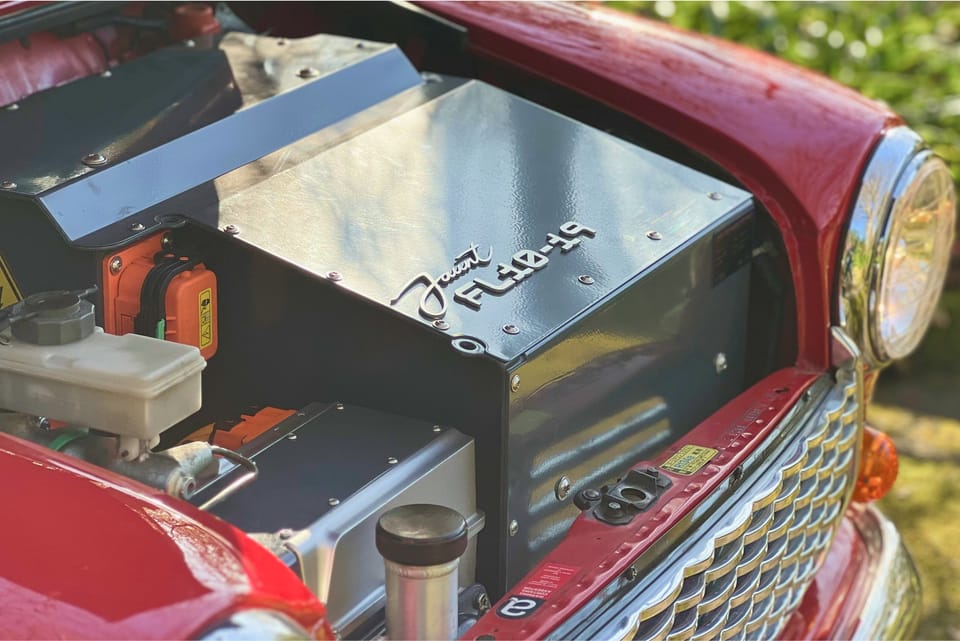
The motor, inverter, cooling and front battery all build up onto a modified version of the Mini's own front subframe. It then bolts to the same four points the petrol engine used. No holes drilled, nothing welded, fully reversible. The hardest part is packaging it all into a bay that was tight in 1996.
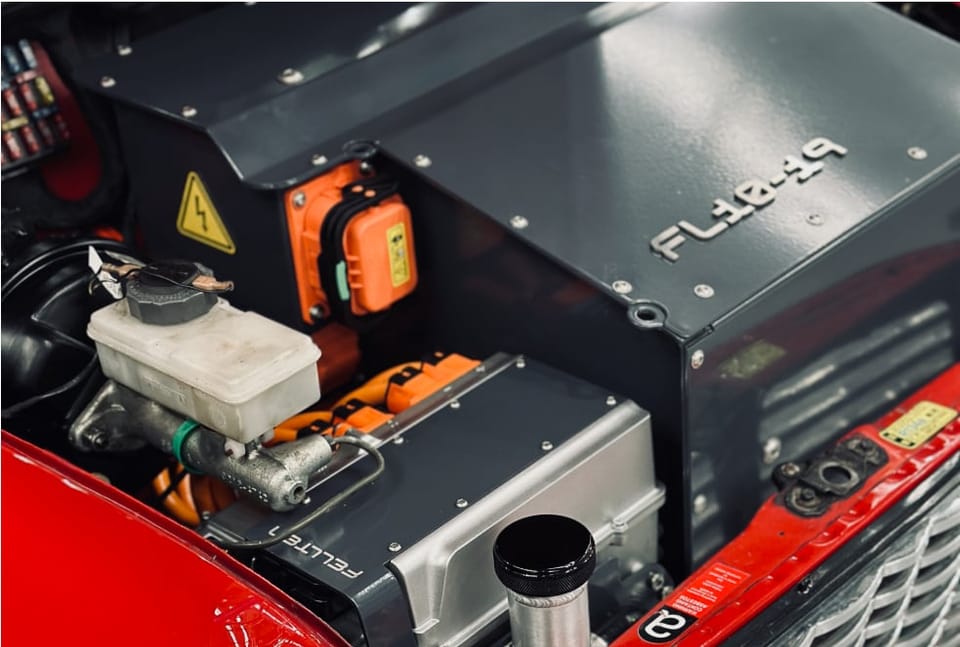
The nineteen kilowatt-hour pack is split. Most of it sits up front on the subframe, the rest drops into the old spare-wheel well in the boot. That keeps the weight sitting exactly where the Mini always carried it, which is the whole reason the car still handles like a Mini.
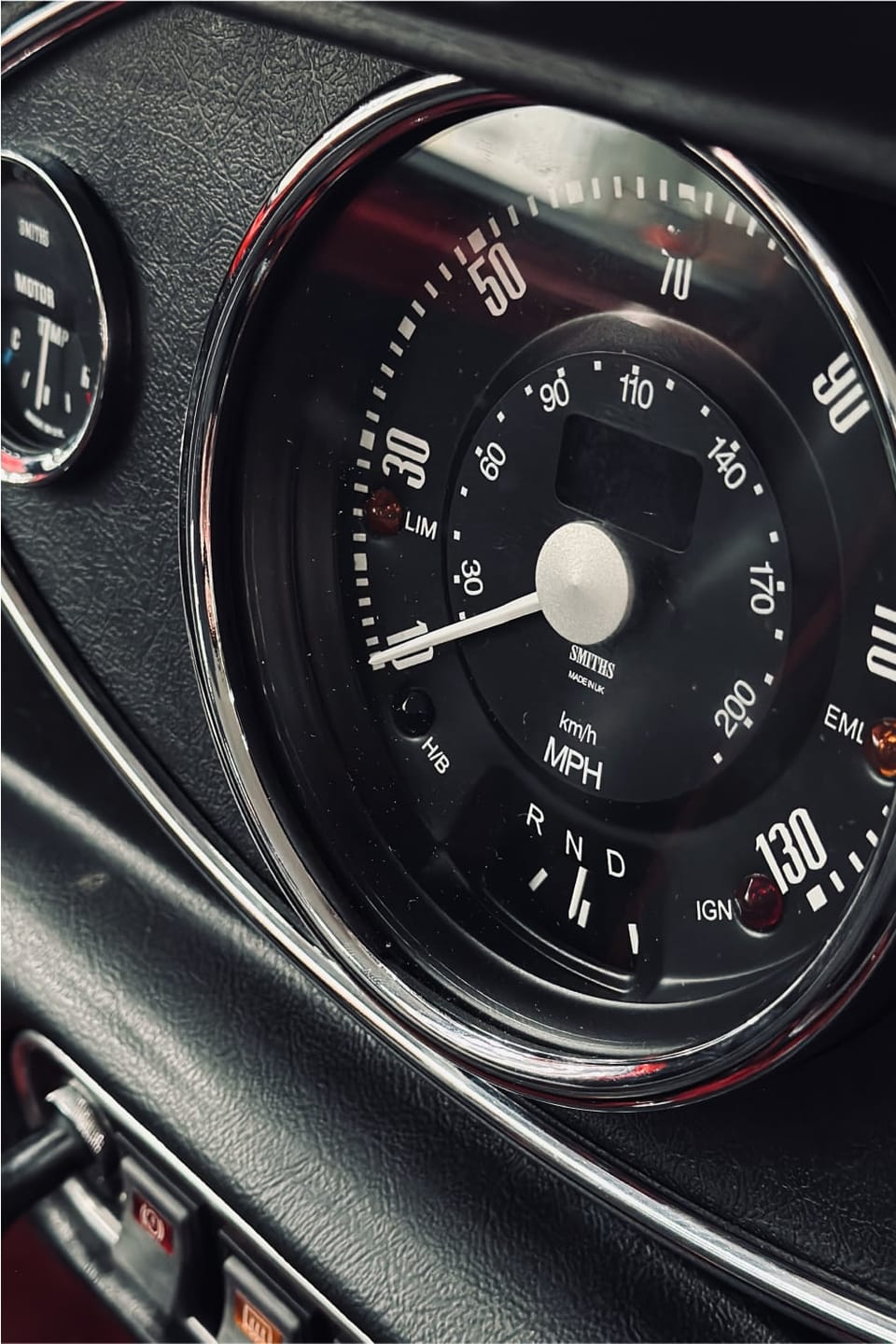
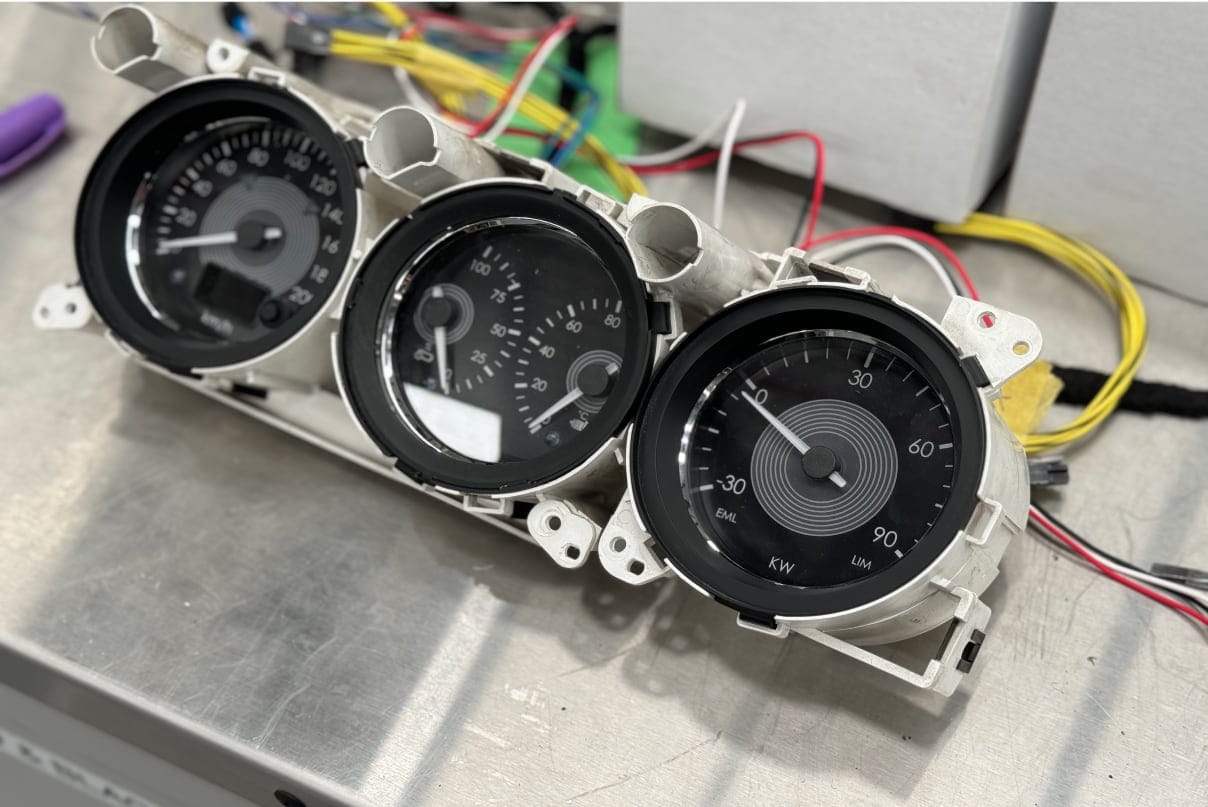
The 1990s dash comes out and a hand-made panel goes in, moving the gauge cluster back to the centre where the original 1960s cars wore it. New laser-engraved switches, digital dials on the car's CAN bus, and fresh-air vents re-routed to suit. The look is older than the donor and far more Mini.
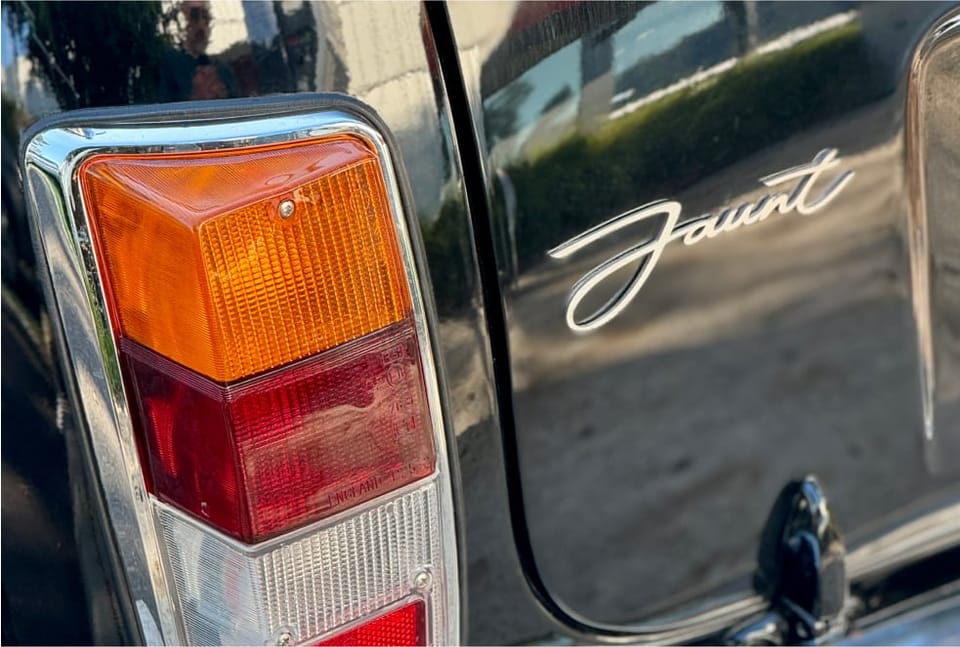
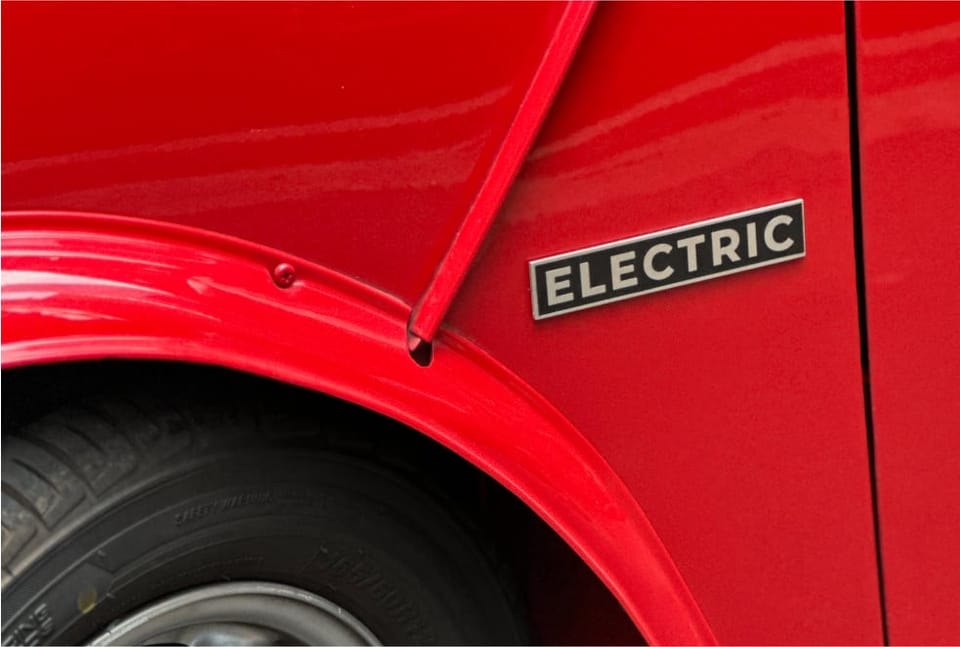
Acid-etched stainless badges go on the quarter panels and tail, in the exact spot the engine badge used to sit. Under the bonnet, a small plate names the pack. Everything is cut on the engraver's own template so it lines up the way the factory badges did.
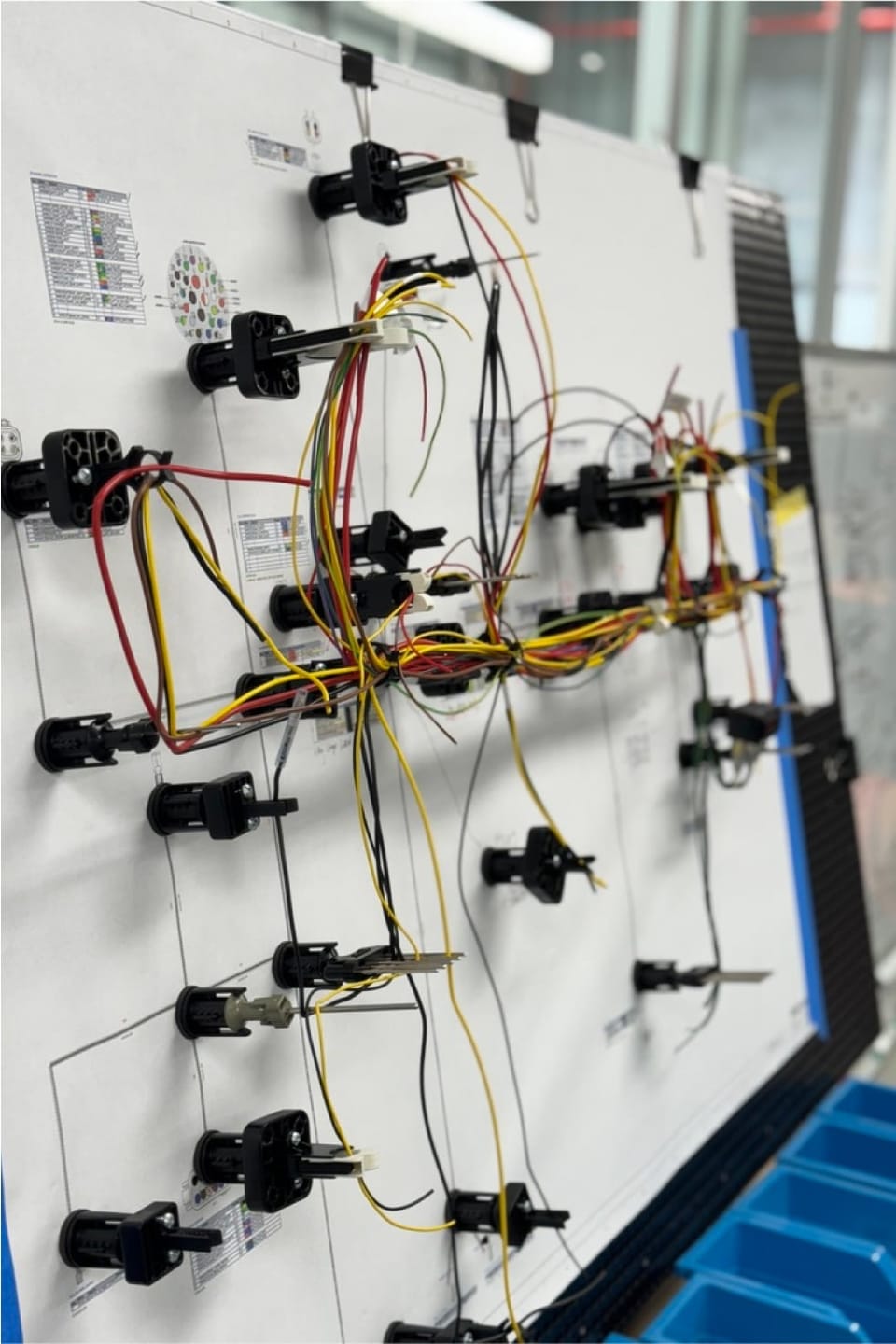
The whole car is rewired onto a new harness, with a thirty-two channel power module in place of the old fuse box. Then it goes out with a laptop strapped in, working up through yard, street and highway speeds, every warning light and system state checked and ticked before it is handed over.

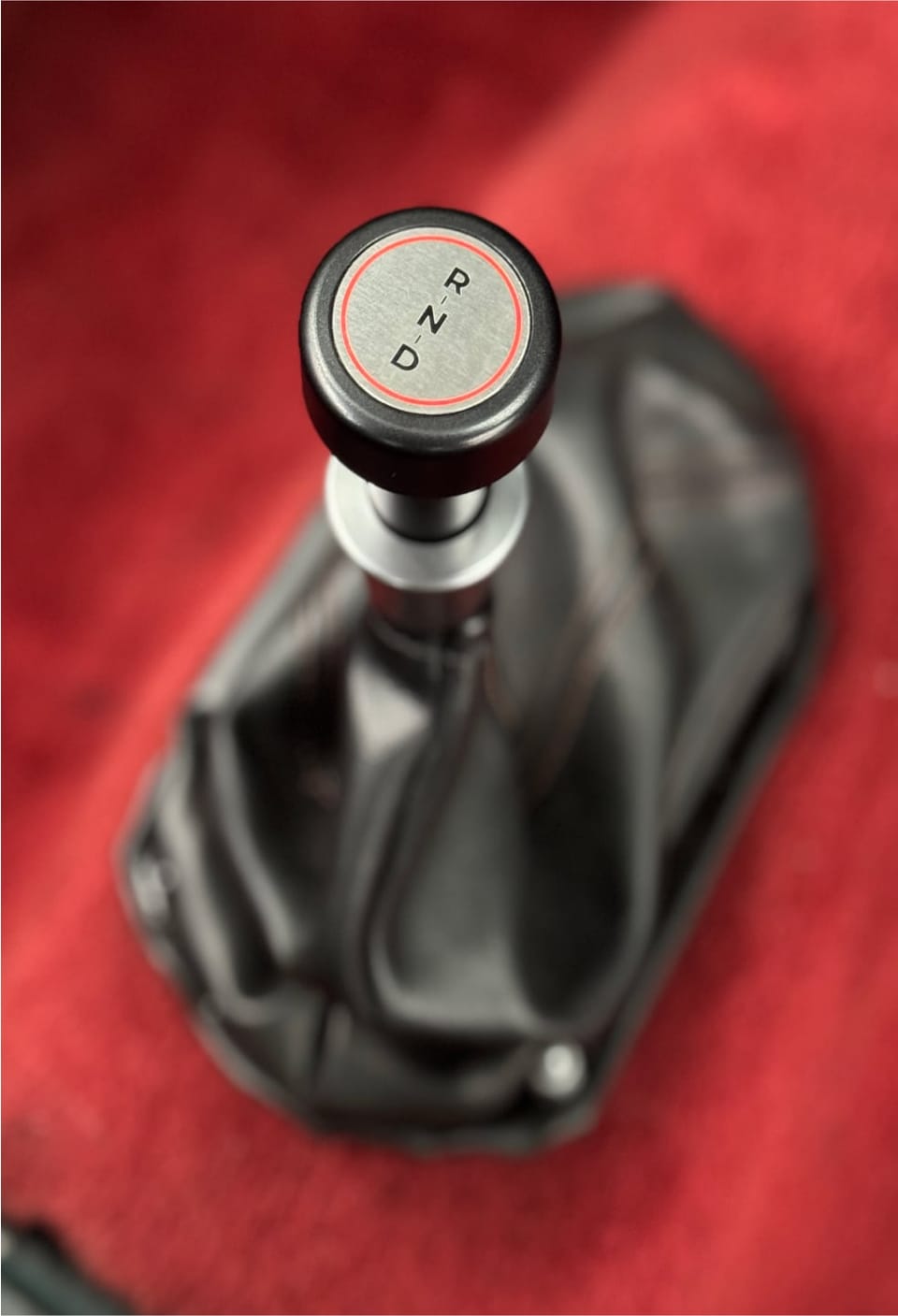
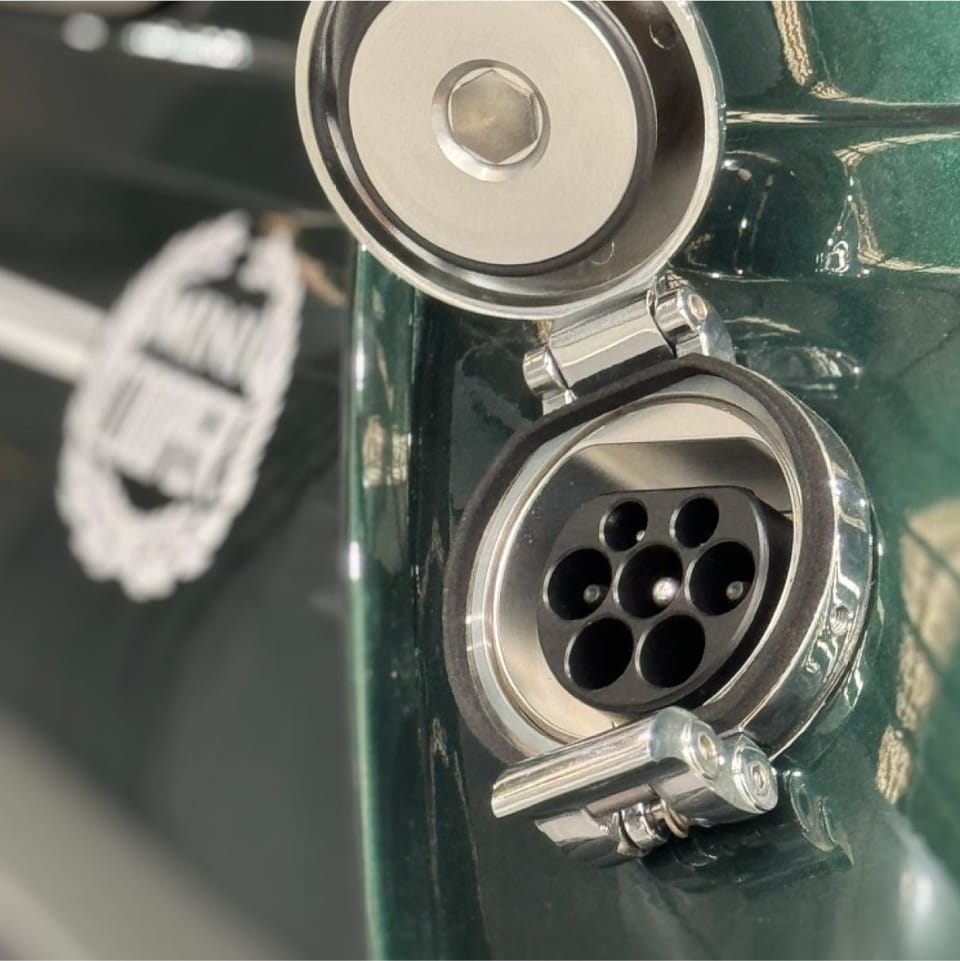
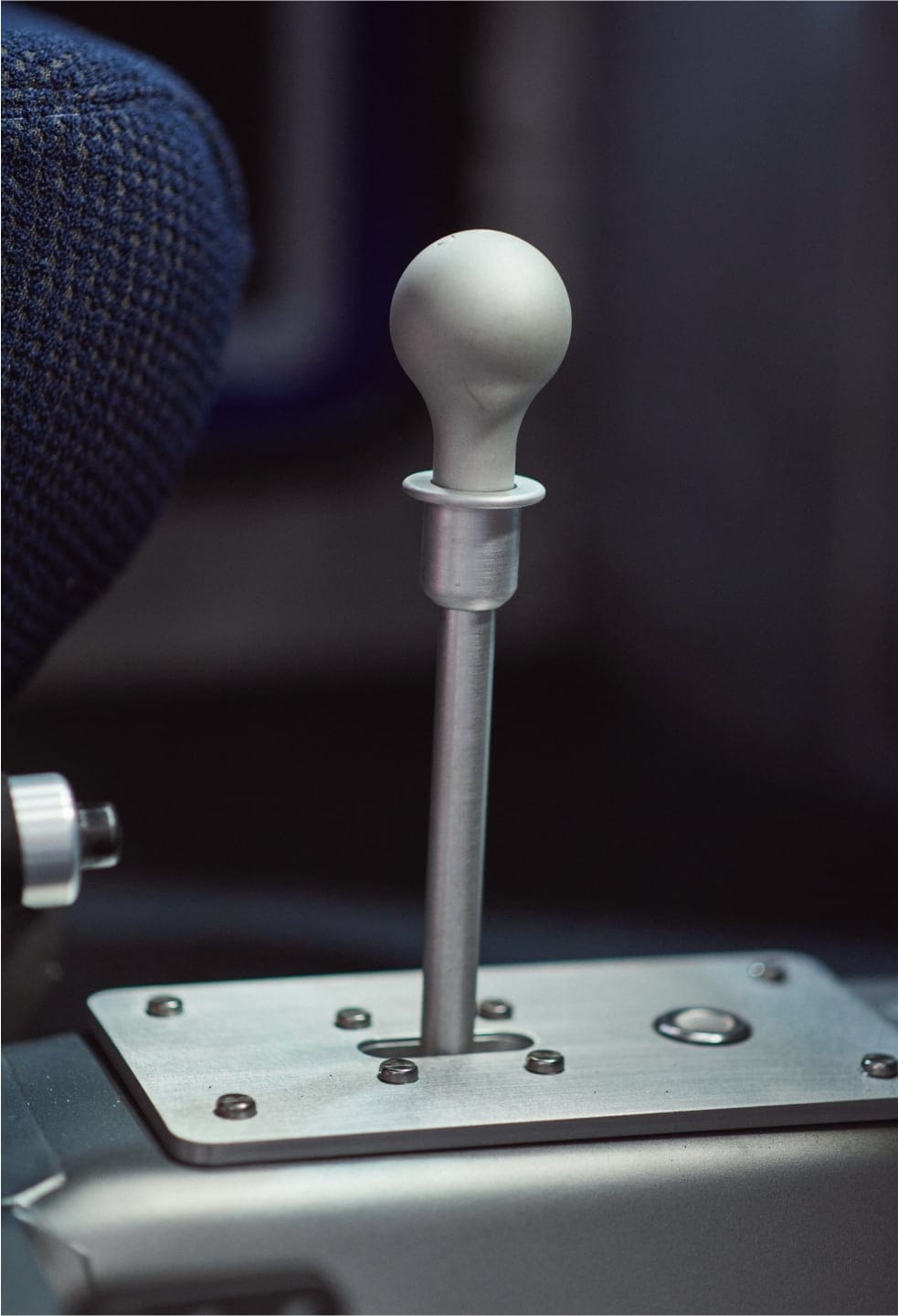
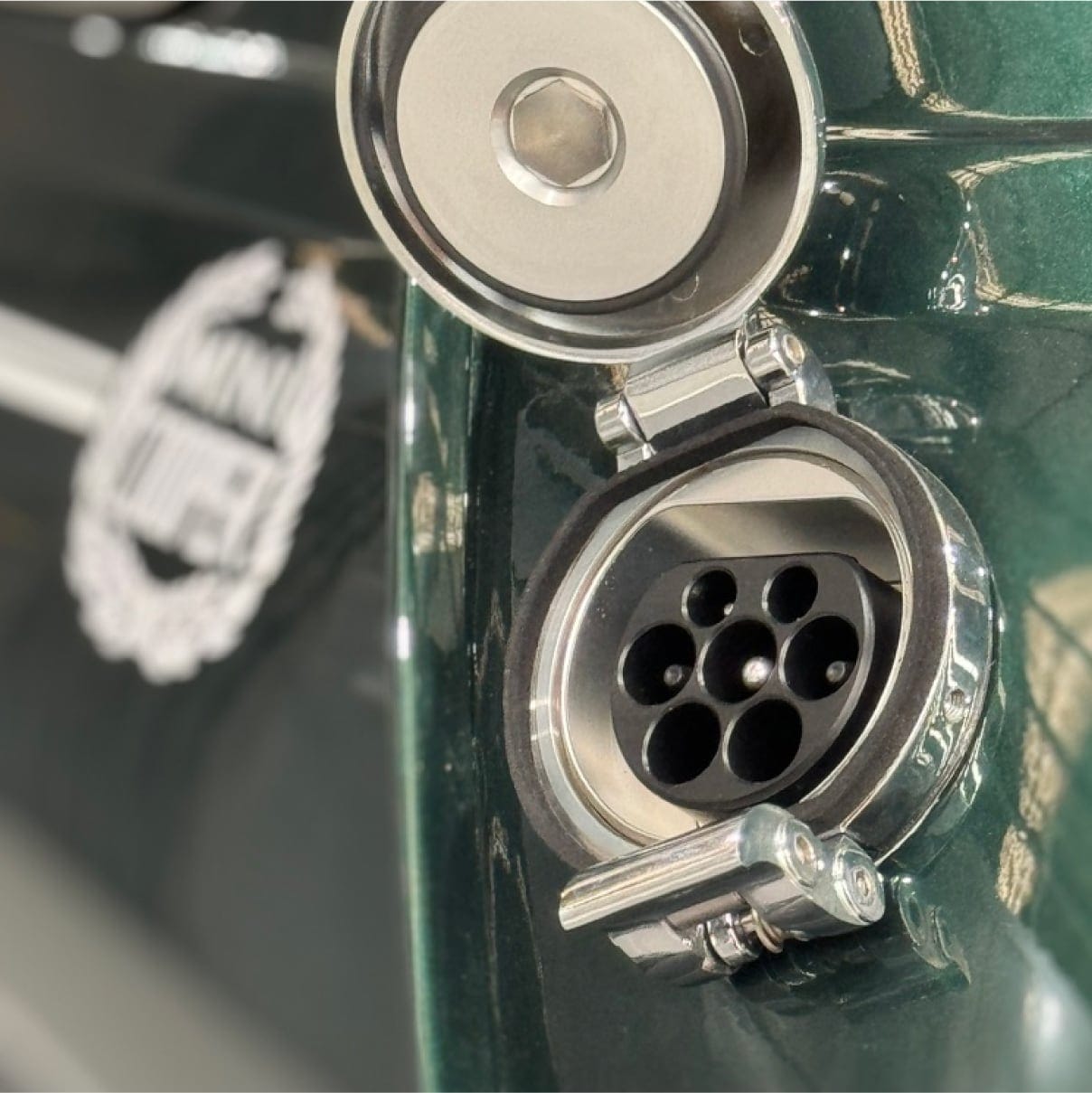
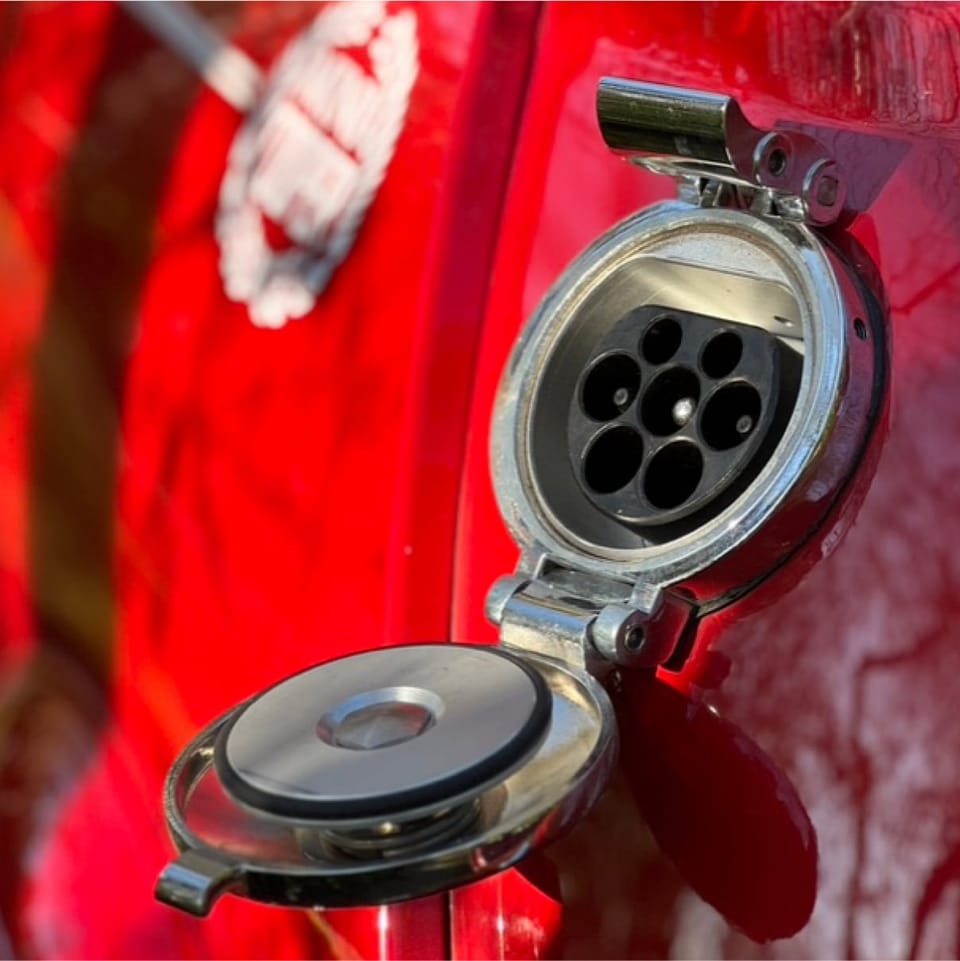
The badges read "electric" in the spot the engine size used to. The charge socket hides behind the fuel flap that no longer fills anything. The gear selector is a single brushed-metal plate with three letters on it.
Even the central locking is new, because these Minis never had it. The door skins are so thin that nothing off the shelf fits, so the lever that moves the latch was drawn and 3D-printed to sit in the few millimetres of space behind the glass.
The full sheet, as built for this car. Drivetrain, battery, chassis, body, cabin and compliance.
Specifications as built for this car. Each Jaunt Mini is engineered as a single vehicle and will vary with donor condition and brief. Commission a Mini →
The go-kart you remember.
Rewired, not replaced.