The technology
Every Jaunt build re-engineers the drivetrain, the battery, the thermal management, the electrical system, the safety architecture, and most of the manufacturing process. This is what's underneath.
Chapter 01
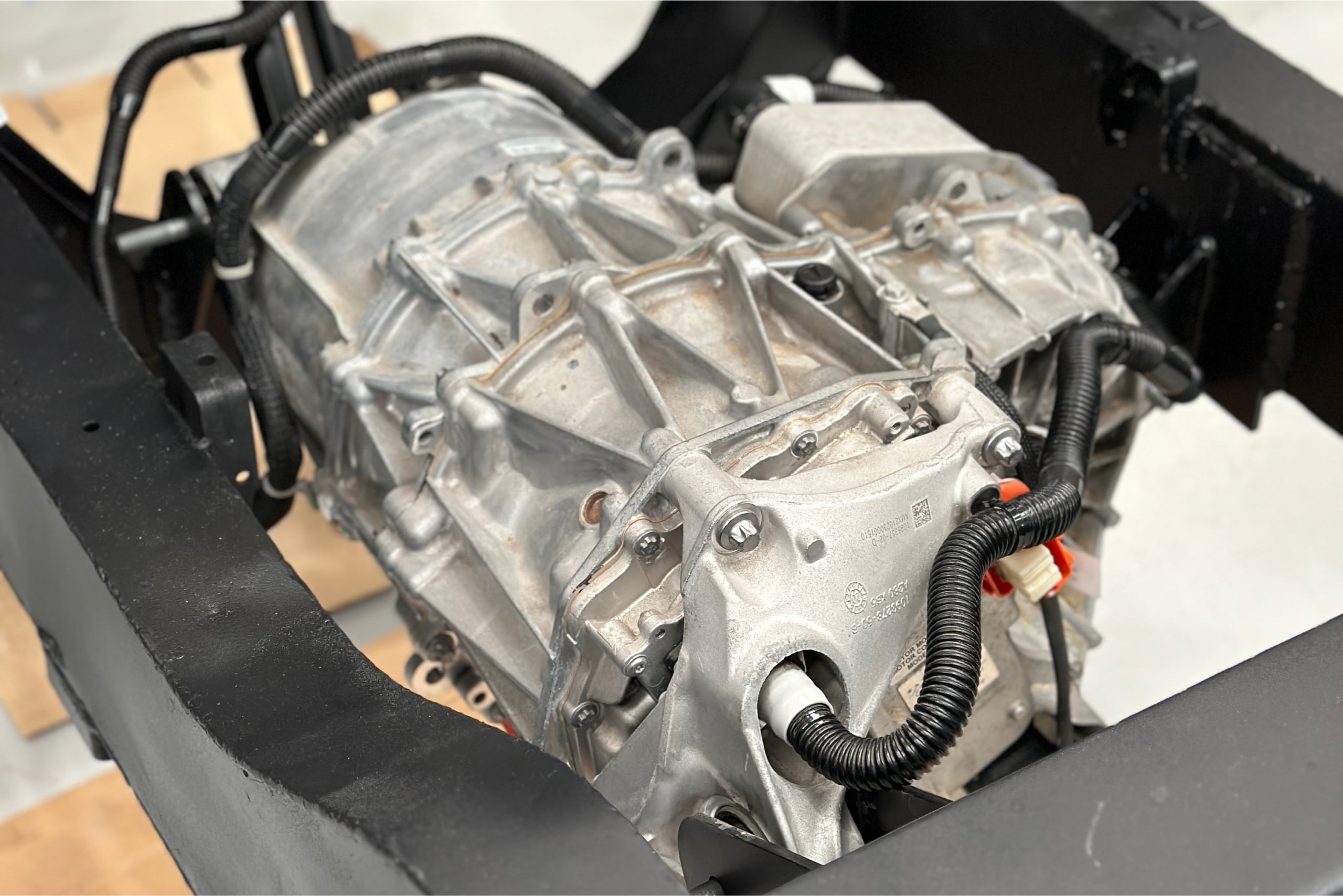
EVs have had gearboxes since forever. In every EV, between the motor and the wheels, there will be a gearbox of some kind. The difference is that EVs deliver power across the entire range, so they use a single reduction ratio instead of a multi-speed gearbox. The ratio is the choice you make for each platform.
For the Land Rovers, that's a 4.5:1 reduction in the motor, into a 3.5:1 differential. For the Mini it's 6:1 (smaller wheels). For the Moke it's 7:1 (larger wheels). For the Kombi it's 9:1. For the 1958 Corvette currently on the floor, 1.9:1 into a solid rear axle. We play with the differential ratios to balance take-off, top speed, and efficiency.
The torque-biasing diffs do most of the cleverness. They behave like a limited-slip, want to limit the difference between each wheel, want to go straight on the highway. Better traction off-road, better behaviour on the freeway, no lever to remember.
Chapter 02
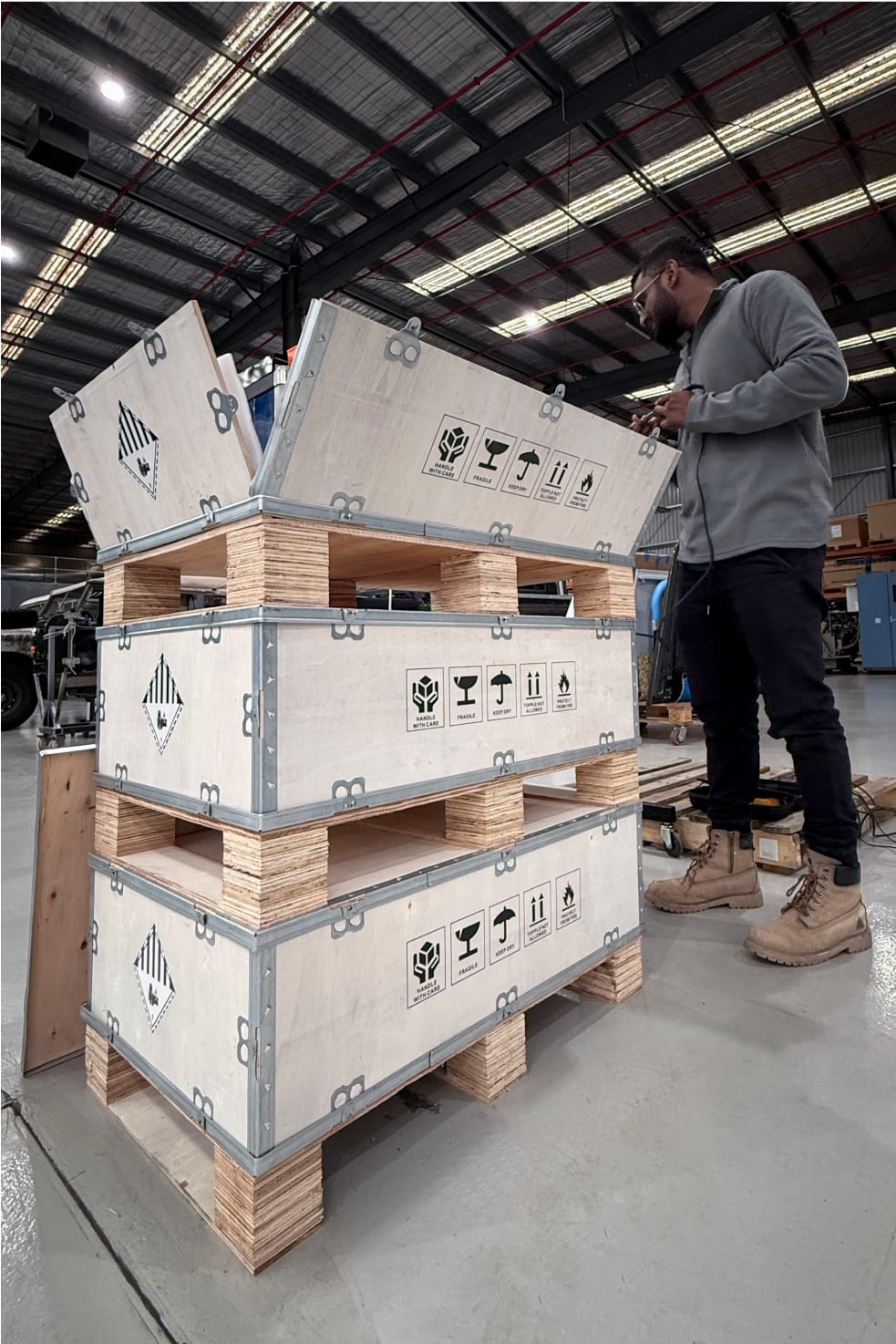
We're not fitting something pre-made. We're building and designing a battery pack. Designing a battery pack is like designing your own engine block. Cells, BMS, cooling, structural enclosure, mounts, isolation, connectors, fault paths. All of it.
The Series pack is 300 kilos, bolted into a 3mm steel enclosure on a three-point isolation mount that lets the chassis flex (which is critical on leaf-sprung vehicles that twist off-road). We've proven, through simulation, that the way we mount it withstands a 20G frontal impact, 15G side, and 10G vertical, alongside hundreds of other regulations.
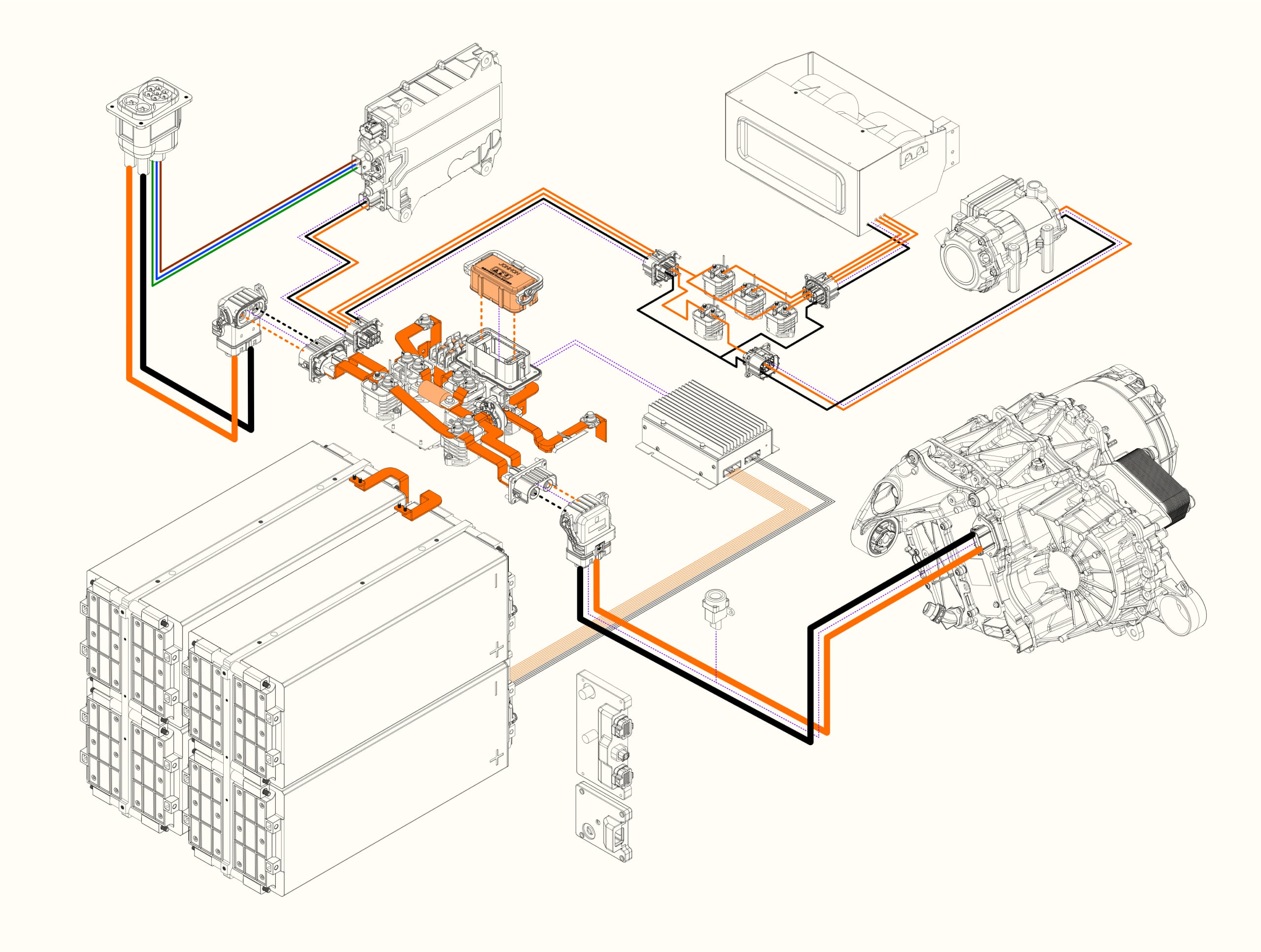
Charging is at 400 volts. CCS2 at 70 to 100 kW. The same plug every public charger in Australia uses. The Land Rover plugs into the same charger your neighbour's Tesla plugs into. The whole system is built to participate in the existing infrastructure, not work around it.
Chapter 03
Pack cooling, motor cooling, cabin climate, and DC fast charge thermal headroom all run on a single integrated loop with Jaunt-specified plates and pumps. The system is sized for hot Australian summers and fast-charging cycles back-to-back.
Chapter 04
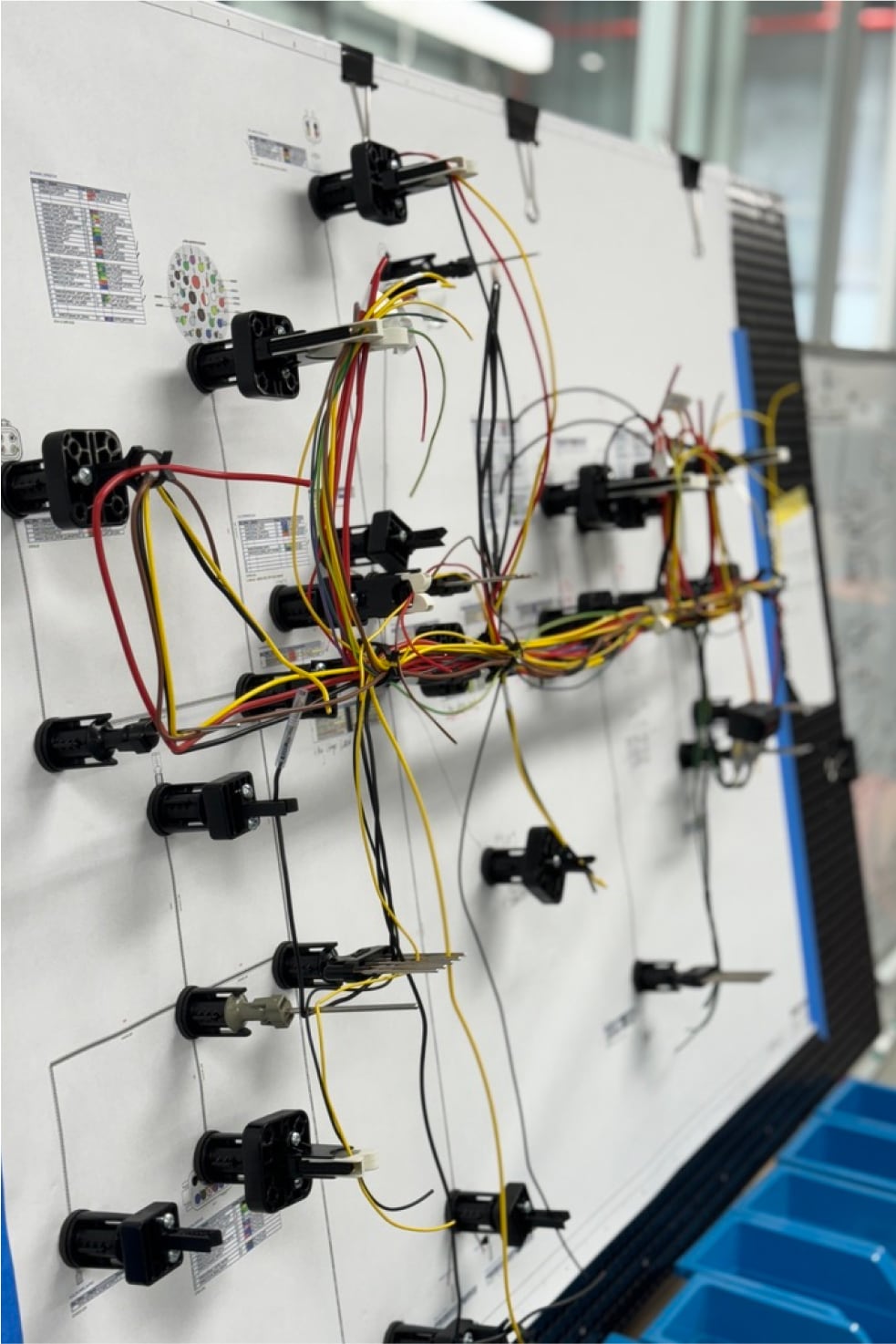
A typical Land Rover comes to us with original wiring, partly upgraded, partly patched, partly rotting. We strip all of it. What replaces it is a Power Distribution Module with about 30 channels in and 30 channels out, CAN-bus connection to the EV system, and a complete custom harness designed in CAD, printed one-to-one onto a looming board, and assembled in our air-conditioned electrical build room.
The PDM does what a tray of fuses and relays used to do, software-controlled. That means warnings, status screens, smart load shedding, programmable behaviour. It also means the wiring inside the car is dramatically simpler. Fewer wires. Fewer joints. Fewer failure points.
We're electrical nerds at heart. So we use nice wire. Almost every connector we put in is a Deutsch DT or DTM, because they're good quality, easy to work with, and reliable in the conditions a working classic car actually meets.
Chapter 05
Every car we build, every car we electrify, is legal in every state in Australia. It can be on normal registration or classic-car registration. The big thing is you engineer it correctly. In Victoria that means a registered mechanical engineer and a registered electrical engineer overseeing the final design of every system.
Australia is reassuring on this. You can do anything you want to a car as long as you can prove it's safe. So we do the work, we create extensive documentation, and we hand it to the approving authority. Multi-stage approval process. Once it's signed off, the car is as legal, as safe, and as insurable as any other vehicle on the road.
The pack mount has been simulated against a 20G frontal impact, 15G side, and 10G vertical. Plus hundreds of other regulations a normal owner never has to think about, but a registered engineer does.
Chapter 06
It's a quietly amazing time to be producing small-scale, high-quality things. CNC, multi-axis milling, 3D printing in metals, in-house fabrication. Things that used to require huge scale to be anywhere near this quality, we can now do for one car at a time.
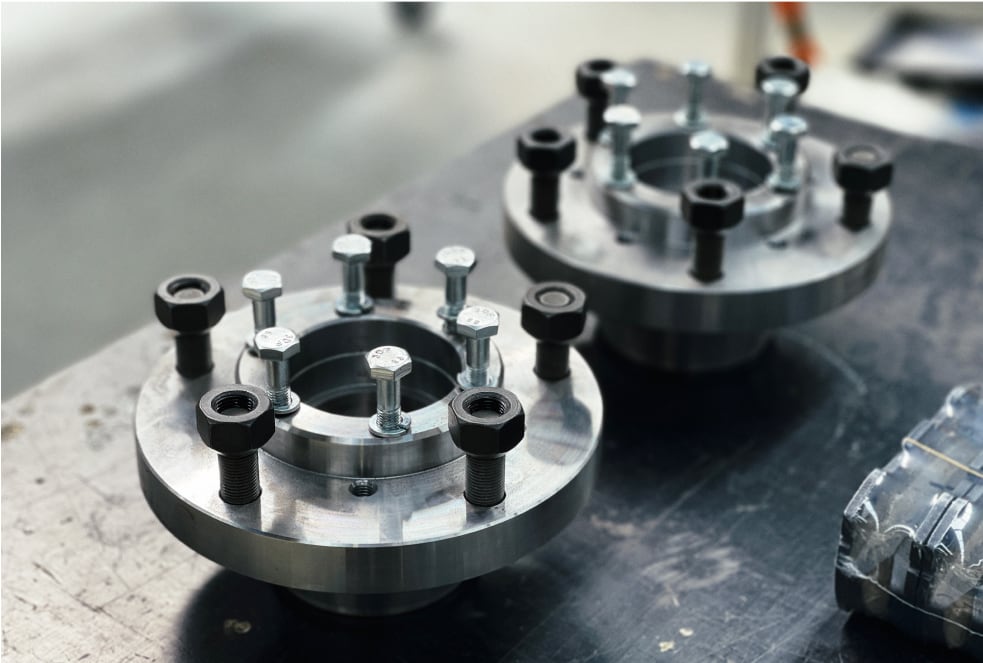
Every Jaunt build has somewhere north of three thousand parts that didn't exist before we made them. Battery cell holders, motor mounts, brake brackets, cooling plates, harness brackets, control housings. We design them in CAD, machine them in-house, validate them on the bench, and document them in the build manual.
If you just take an electric motor and put it in an old car, you risk ending up with a worse vehicle than the original. One that doesn't stop better, doesn't handle better, doesn't manage that power well. We build a complete package, holistically upgrading the vehicle to make it more than it was. That's the difference.
Visit the workshop. We'll show you the parts you'll never see again once the car is built.
Visit the workshop